

Call today! 813.949.3300

Proudly Serving Lutz · Carrollwood · Northdale · Cheval · Odessa · Land O’ Lakes
Body Contouring · Lutz, Florida

CoolSculpting® for Thighs in Lutz, FL
Inner and Outer Thighs

This is the one area on the body where the skin decides the result more than the fat does. Get that assessment wrong and reducing volume leaves the thigh looking worse, not better, which is why it comes before any conversation about cycles.
20+ Years in practice
4.7★ 67 Google reviews
✓ Medically supervised
On This Page

How Thigh Fat Is Treated in Lutz, FL

CoolSculpting® for thighs in Lutz, FL uses controlled cooling to reduce fat on the inner thigh, the outer thigh where it forms what most people call saddlebags, and the small pad under the buttock crease. Our certified CoolSculpting® team performs it under on-site medical supervision at Nu Image Medspa, 3939 Cheval Blvd, off N Dale Mabry Hwy near Cheval, Steinbrenner High and Gaither High.

Thighs are treated as a pair, so 2 cycles per visit is the minimum and 4 across two visits is common, at roughly $1,400–$2,800 per session. Each cycle runs about 35 minutes with no downtime, and the result builds over 8–12 weeks. Two things decide whether it suits you, and the second is unusual: The fat has to be pinchable, and the skin has to have enough elasticity to draw in behind it once the volume is gone. This is the area where taking fat out from under loose skin makes matters worse, so we test recoil before discussing anything else. Serving Lutz, Cheval, Carrollwood, Northdale, Odessa and Land O’ Lakes. Open Mon 9–5, Tue–Fri 9–7 and Sat 9–3. Call 813.949.3300.

Settling It Early

A Thigh Gap Is Not About Fat

More people search for this than for any thigh treatment, so it deserves a direct answer rather than a careful one.
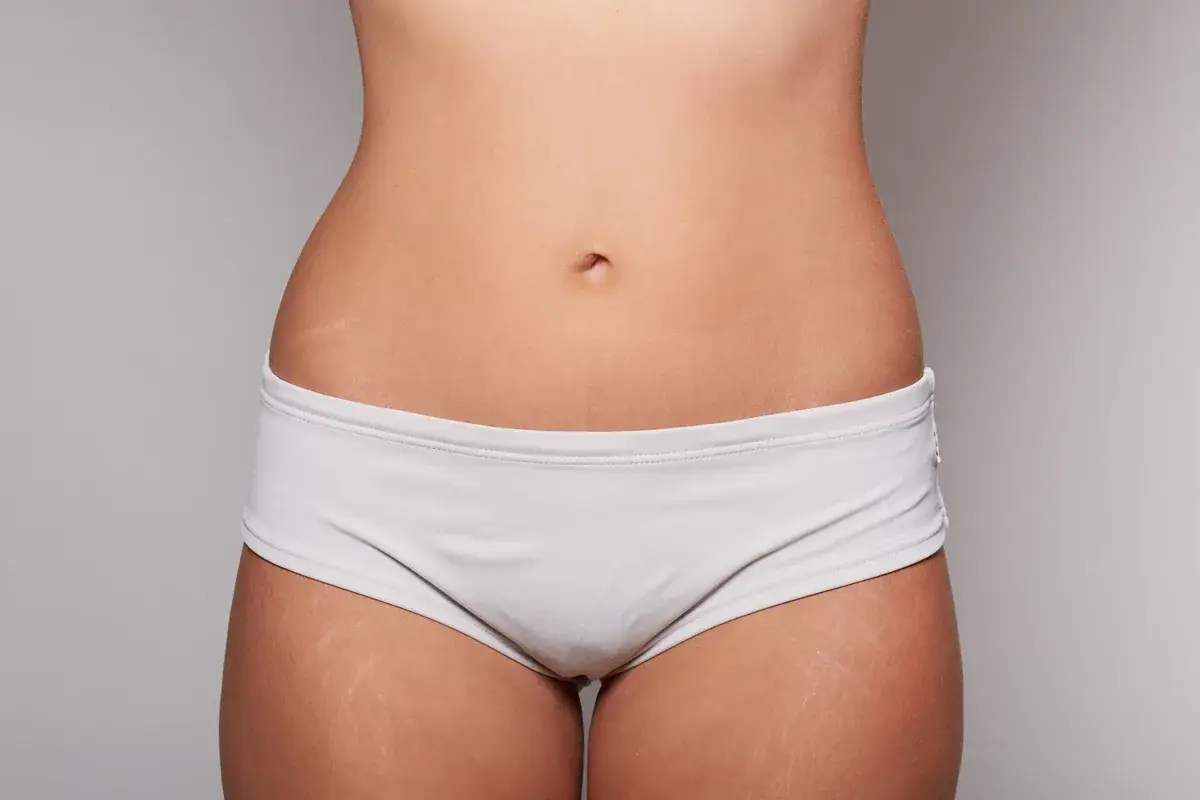
Front view of the hips and upper thighs

Whether your thighs touch at the top is decided mainly by the width of your pelvis and the angle your femurs run at. Both are skeletal. Both were settled long before you had any say in it. A wider pelvis places the hip joints further apart and the legs descend on a more vertical line, leaving a space. A narrower one places them closer, and the legs angle inward toward the knees, so the thighs meet.

Which produces two facts worth knowing before you spend money anywhere. Plenty of people at genuinely low body fat have no gap at all and never will. And plenty of people carrying more weight have one, because their skeleton hands it to them. No fat reduction treatment can create a thigh gap, and any clinic that implies otherwise is selling against your anatomy.

What can actually change

The shape and volume of the thigh itself. Reducing an inner thigh deposit narrows the leg, softens where it meets its opposite number, and can reduce how much of it makes contact. On someone whose skeleton already allows a small space, that can widen it slightly. On someone whose skeleton does not, the leg gets slimmer and the thighs still touch, which for most people turns out to be what they wanted anyway once it is described that way.

We will tell you which of those two you are at the consultation, in about ten seconds, standing up.

Why People Here Ask

Friction, Not Photographs

Something worth noticing about how people search for this. Roughly three times as many look up thigh chafing as look up inner thigh fat. The problem people actually have is not how the thigh looks. It is what it does.

Woman in shorts walking along a sunny marina

Eight months of skin on skin

Bare legs are ordinary daily clothing here rather than a seasonal event. Shorts, dresses and swimwear from March to November, heat, and humidity that keeps a layer of moisture on the skin all day. Put those together and inner thigh contact stops being incidental. It becomes friction, repeated over thousands of steps, on skin that never fully dries out.

So the version of this consultation we have most often is not about a photograph. It is somebody who wants to walk the loop around Cheval in July, or get through eighteen holes at the Athletic Club, or spend a Saturday on the water at Lake Wilson, without finishing the day raw. That is a functional complaint, and it is a perfectly good reason to treat an area.

What treatment can and cannot promise

Being straight about this matters. Reducing inner thigh volume reduces how much skin makes contact, and for a lot of people that means noticeably less rubbing. That is a reasonable expectation to hold.

It is not a treatment for chafing, it is not marketed as one, and it does not always solve it. Contact depends on skeletal width as much as on volume, so someone whose thighs meet because of their pelvis will still have contact after a very good result. Barrier balms, powders and fitted shorts remain the first thing to try, they are inexpensive, and if they work you have saved yourself a great deal. We would rather you tried those first and came back if they were not enough.

Three Different Deposits

Inner, Outer and the Banana Roll

People say thighs and mean one of three things. They behave differently, take different applicators, and people ask about them for different reasons.
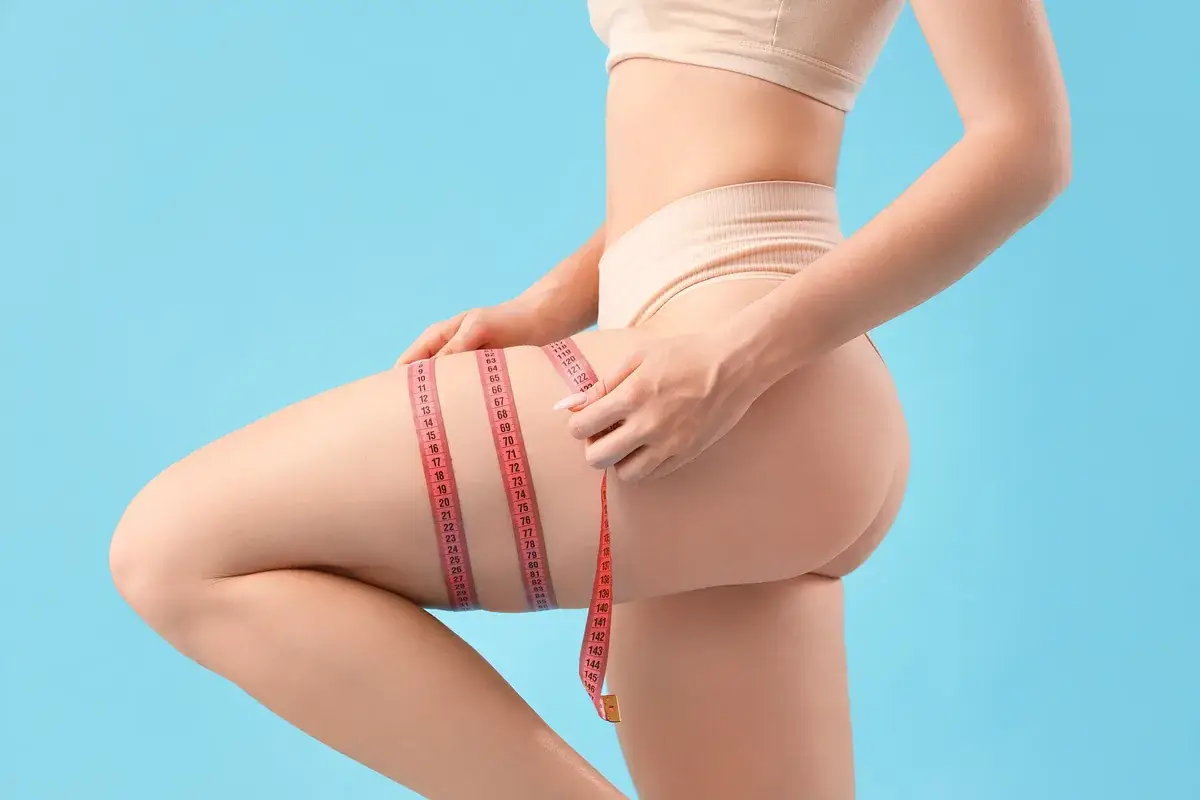
Side view of the outer thigh and buttock crease with a tape measure

Inner thigh

The area from the groin down along the adductors. Soft, easily pinched, and the deposit most likely to be a comfort issue rather than a cosmetic one. It responds well and it is also the highest-risk area for skin quality, because the skin here is the thinnest on the leg.

Outer thigh, or saddlebags

The pad sitting just below the hip on the outside of the leg, which breaks the line from waist to knee. This is almost purely an appearance concern, and it is the most stubborn thigh deposit against diet and training, because it is a classic hormonally-influenced storage site. The skin here is thicker and holds up better after volume is removed, so predictability is higher than on the inner thigh.

The banana roll

The small crescent directly beneath the buttock crease, named for its shape. Treated far less often, needs a specific applicator, and worth mentioning because reducing it changes where the buttock appears to end. It also carries a particular caution: Take too much and the buttock can look like it is sagging into the space left behind.

Most plans address one or two of these rather than all three. Treating the outer thighs while ignoring an inner thigh deposit, or the reverse, can leave the leg looking oddly proportioned, so the assessment covers the whole leg even when the request does not.

Not the Same Job

Inner or Outer Thigh?

They sit inches apart and behave nothing alike. One is soft, thin-skinned and often a comfort complaint. The other is firmer, thicker-skinned and almost always about the line of the leg. The plans differ accordingly.

Inner thighOuter thigh
Why people askContact and chafingThe line of the leg
TextureSoft, easy to pinchFirmer, denser
SkinThinnest on the legThicker, better recoil
PredictabilitySkin-dependentHigher
Cycles2 minimum per visit, one per leg
Will not fixA thigh gap, or loose skin
Why the Assessment Matters Here

Where Skin Decides the Result

On a chin or a flank, a pinchable deposit gives a fairly predictable outcome. Take the fat out, the skin above it draws in, and the shape improves. The thigh does not reliably behave that way, and it is the only area where that is true.

Inner thigh skin is the thinnest on the leg. It carries less elastic recoil to begin with, and it spends every day under mechanical stress from movement and contact. Remove volume from beneath skin that will not retract and you have not improved anything. You have traded a fuller thigh for a slacker, crepier one, and the client is less happy than when they walked in even though nothing went wrong at the machine.

Which means the skill this area asks for is prediction rather than execution. Pinching tells you whether there is fat. Pinching and releasing tells you what the skin will do afterwards, and that is the number that matters. Stretch marks, a history of pregnancy or significant weight change, and how the skin sits when the leg is relaxed versus flexed all read on how the dermis is likely to respond.

Which is why this is the area we decline most often. Not because the device cannot reduce thigh fat, it reliably can, but because on some legs a reduction in volume is not the improvement the client is picturing. Being told that in advance is worth more than a refund afterwards, and there is no version of the treatment that undoes it.

Everything about the technology itself, who it suits generally, and the rare outcomes including paradoxical adipose hyperplasia sits on our CoolSculpting® page.

✓ Certified CoolSculpting® Practice
✓ On-Site Medical Supervision
20+ Years in Lutz
4.7★ 67 Reviews
Numbers

What Thigh Treatment Costs

Roughly $1,400–$2,800 per session here, with the figure driven by how many cycles the plan uses. Legs come in pairs, so the arithmetic starts higher than it does for a chin: Two cycles minimum, one per leg, and frequently four across two visits.
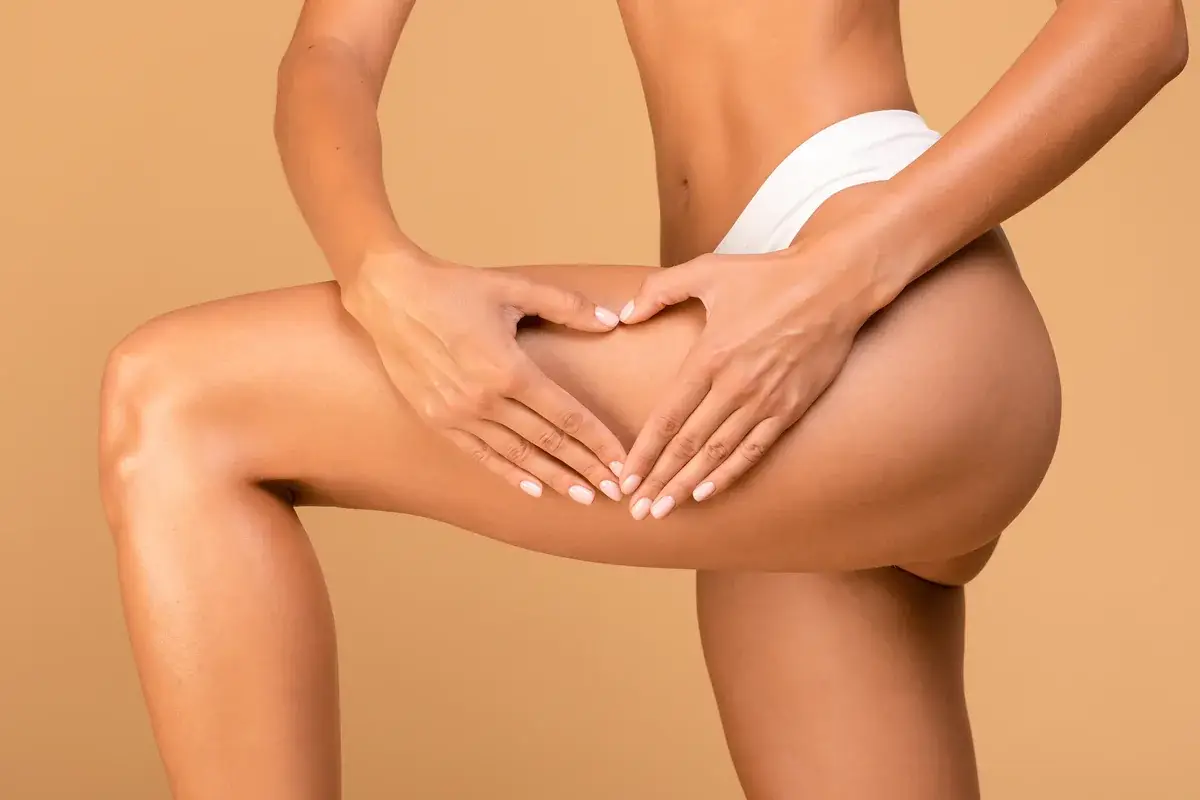
Hands assessing the skin of the thigh

Why thighs cost more than a chin

Surface area, mostly. A submental pocket is small enough for a single applicator to cover. A thigh is not, so a deposit running from groin to mid-leg may need two placements per side to be treated evenly, and treating half of it produces exactly the ridge we spend the assessment trying to avoid.

Where the money is wasted

Two situations, both avoidable. Treating a leg whose skin will not retract, which spends the full amount on a result nobody is pleased with. And treating while your weight is still moving, which spends cycles on fat that was leaving anyway. Both are caught in five minutes at the consultation, and both are reasons we will suggest you wait or do something else. See monthly specials and payment plans for what is currently available.

At a Glance

Thigh Treatment at a Glance

Areas treated Inner thigh, outer thigh (saddlebags), banana roll beneath the buttock crease
Best for A pinchable deposit on a leg whose skin still has good recoil, at a stable weight
How it’s done Controlled cooling, applicator placements mapped along each leg
Typical plan 2 cycles per visit as a minimum, one per leg · often 4 across two visits
Session length About 35 minutes per cycle
Typical cost (Lutz) About $1,400–$2,800 per session · see monthly specials
Results appear 8–12 weeks · continuing to about 16 weeks
Downtime None · numbness and tenderness for 1–2 weeks is normal
Will not do Create a thigh gap, which is skeletal, or tighten loose skin
Performed by Our certified CoolSculpting® team, under on-site medical supervision

Pricing is approximate and confirmed at your complimentary consultation. Ask about current specials and flexible payment plans.

How We Plan It

Ways We Treat the Thigh

Assessment covers the whole leg even when the request is for one part of it, because proportion is what the eye reads:

Inner thighs, paired

The most requested, and the most likely to be about comfort rather than appearance. One cycle per leg at minimum, with skin recoil assessed first.

2 cycles per visit

Outer thighs

The pad below the hip that breaks the line from waist to knee. Firmer tissue, thicker skin, and the most predictable thigh area to treat.

Saddlebag placement

Banana roll

The crescent under the buttock crease. Needs a specific applicator and a conservative hand, since removing too much can make the buttock read as sagging.

Conservative dosing

Inner and outer together

Treating one and not the other can leave the leg looking oddly proportioned. Where both carry volume, they are planned as one project.

Staged over months

Thighs with the waist

The flanks and outer thighs form one continuous line. Reducing the hip pad alone can make the waist above it look heavier by contrast.

When the answer is skin

Where laxity is the dominant feature rather than volume, fat reduction makes it more obvious. Skin tightening or a surgical opinion is the honest route.

Not sure whether your thighs are a fat problem, a skin problem or a skeletal one? The assessment sorts all three in a few minutes, standing up, before anything is quoted.

What to Expect

Your Visit, Step by Step

1
Skin first

Pinch and release, standing. What the skin does when you let go decides whether this treatment suits your leg.

2
Mapping

Both legs marked, with placements planned to overlap so the treated area has no visible edge.

3
The cycles

About 35 minutes per placement. Intense cold at first, then numbness. Bring something to read.

4
The wait

Massage afterwards, then patience. Changes begin around week four and land at 8–12 weeks.

Getting Here

Minutes from Across North Tampa

We’re centrally located on Cheval Blvd, an easy drive from across the area. Tap your neighborhood for directions and local details.

Drive times are approximate. Check live directions for your exact route. Free on-site parking at 3939 Cheval Blvd, Lutz, FL 33558.

What our clients say

This was my first visit and it was a fantastic experience. Jenny is knowledgeable, friendly and meticulous in everything she does. I LOVE my new lips — thank you for making me look and feel more beautiful!

— C. Seyss

I’ve been going to Susan for 8 years and she and her staff are the best. She’s patient and takes her time to make perfection — I call her “Picasso.” Great prices, too.

— R. Dalom

Simply the best! I’ve been coming to this salon since 2007. From haircuts and facials to Botox, it’s nothing but the best experience and value. I always leave looking and feeling amazing.

— B. Gibson

Thigh Treatment – Your Questions

About $1,400–$2,800 per session at Nu Image Medspa, depending on cycles. Because legs are treated as a pair the minimum is two cycles, one per leg, and four across two visits is common. A larger deposit running from groin to mid-leg may need two placements per side. Ask for the price of the plan rather than the visit. Confirmed at your complimentary consultation, and we run new specials monthly.

Two at minimum, one per leg. Four across two visits about eight weeks apart is common, and a deposit covering a large area may need two placements per side in a single visit. Each treatment reduces a portion of the fat cells rather than all of them, so staging is normal rather than a sign the first round underperformed.

Yes, and the inner thigh is one of the more responsive areas because the deposit is soft and easily drawn into an applicator. The variable here is not the fat, it is the skin. Inner thigh skin is the thinnest on the leg, so we assess how well it recoils before treating. Where recoil is good the results are reliable. Where the skin is already lax, removing the volume underneath can make the area look slacker rather than slimmer.

Often, and it is worth being precise about why. Reducing inner thigh volume reduces how much skin makes contact, and less contact usually means less rubbing. But this is not a treatment for chafing and it does not always resolve it, because contact is driven by skeletal width as much as by volume. Barrier balms, powders and fitted shorts are cheap and effective for many people, and we would rather you tried those first and came back if they were not enough.

No. Whether your thighs touch is determined mainly by the width of your pelvis and the angle of your femurs, both of which are skeletal and fixed. Plenty of people at very low body fat have no gap and never will, and plenty of people carrying more weight have one. Reducing thigh volume can narrow the leg and, where the skeleton already allows a small space, slightly widen it. It cannot create one.

Then this may be the wrong treatment, and the thigh is the area where that matters most. Fat reduction removes volume, it does not tighten skin, so taking fat out from under skin that will not retract leaves the area looking crepier than before. We test recoil by pinching and releasing rather than pinching alone. Where laxity is the dominant feature, skin tightening or a surgical opinion is the more honest answer and we will say so.

Saddlebags sit on the outside of the leg just below the hip and break the line from waist to knee. They are firmer, denser, sit under thicker skin, and are almost always an appearance concern. Inner thigh fat sits along the adductors, is softer and easier to pinch, has the thinnest skin on the leg, and is frequently a comfort concern. Different applicators, different predictability, and often different reasons for asking.

The first five to ten minutes of each cycle are intensely cold with a strong pulling sensation from the suction, then the area numbs and most people read or work through the rest. The massage immediately afterwards is briefly uncomfortable and it matters for the result. Numbness and tenderness across the treated area for one to two weeks is normal, and on the inner thigh that can feel more noticeable simply because the area moves when you walk.

Wait. Thighs often keep changing on their own during weight loss, and treating an area that is still moving spends cycles on fat that was going to go anyway. Come back once your weight has held steady for a few months and we will assess what is genuinely left. This is also the point at which skin recoil can be judged properly, since rapid loss affects it.

We’re at 3939 Cheval Blvd, Lutz, FL 33558, just off N Dale Mabry Hwy near Cheval, Steinbrenner High School and Gaither High School, serving Lutz, Carrollwood, Northdale, Cheval, Odessa and Land O’ Lakes. Open Mon 9–5, Tue–Fri 9–7 and Sat 9–3, with free on-site parking. Call 813.949.3300 to book.